DILLER SCOFIDIO + RENFRO
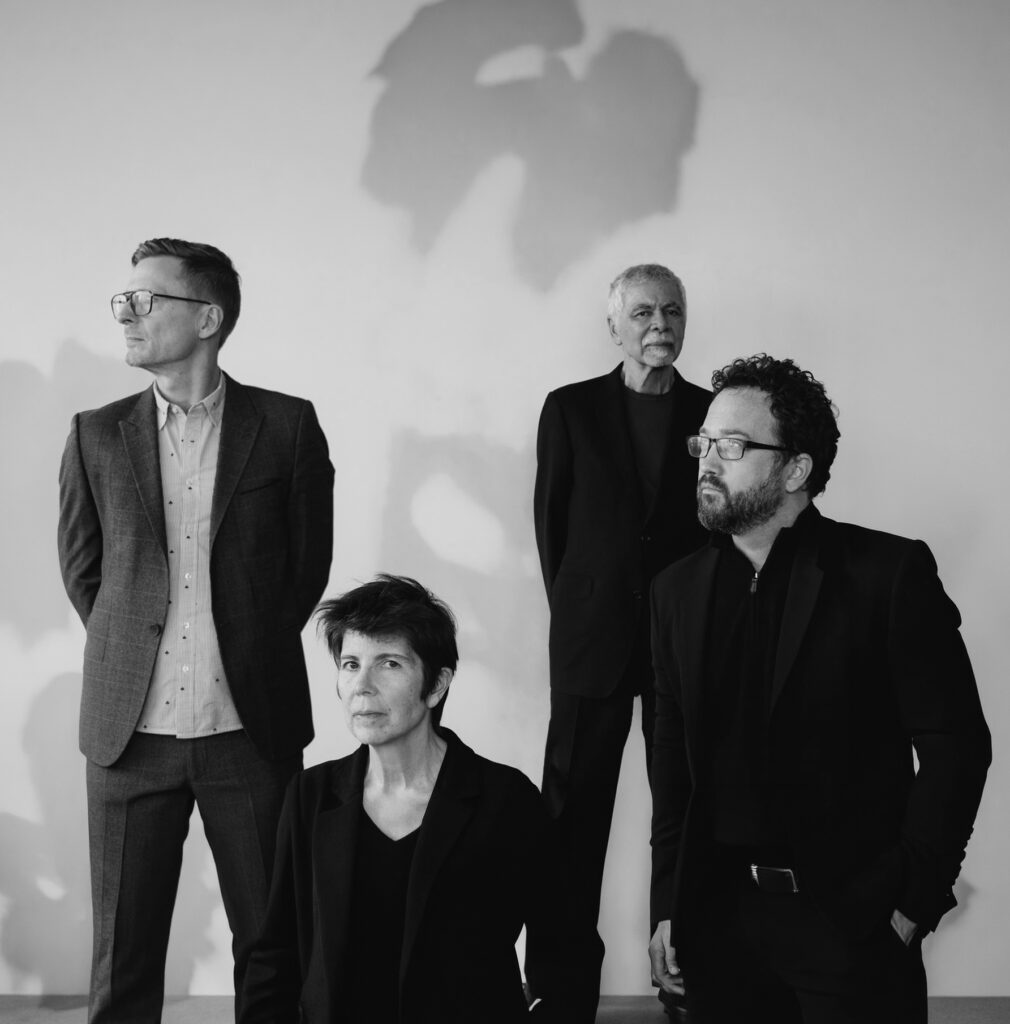
Founded in 1981, Diller Scofidio + Renfro (DS+R) is an interdisciplinary design studio based in New York City that has fundamentally reshaped the intersection of architecture, visual arts, and performing arts. Led by partners Elizabeth Diller, Ricardo Scofidio, Charles Renfro, and Benjamin Gilmartin, the firm first gained international recognition for its conceptual and rebellious approach to the built environment. Early works often focused on "architectural prosthetics" and performance pieces, such as the Blur Building at Expo 2002 in Switzerland—a pavilion made of fog—which challenged the traditional notion of architecture as a solid, permanent mass.
The firm’s transition into large-scale civic projects cemented its status as a leading force in contemporary urban design. DS+R is perhaps most widely recognized for its role in the transformation of the High Line, an elevated railway turned public park on Manhattan's West Side, which sparked a global trend in "adaptive reuse" of industrial infrastructure. Other significant projects include the redesign of the Lincoln Center for the Performing Arts campus, the Broad museum in Los Angeles, and The Shed—a multi-disciplinary arts center featuring a massive, movable outer shell.
Throughout its evolution, DS+R has maintained a reputation for merging technical innovation with social and political inquiry. The studio was the first architecture firm to receive a "Genius Grant" from the MacArthur Foundation, a testament...
Founded in 1981, Diller Scofidio + Renfro (DS+R) is an interdisciplinary design studio based in New York City that has fundamentally reshaped the intersection of architecture, visual arts, and performing arts. Led by partners Elizabeth Diller, Ricardo Scofidio, Charles Renfro, and Benjamin Gilmartin, the firm first gained international recognition for its conceptual and rebellious approach to the built environment. Early works often focused on "architectural prosthetics" and performance pieces, such as the Blur Building at Expo 2002 in Switzerland—a pavilion made of fog—which challenged the traditional notion of architecture as a solid, permanent mass.
The firm’s transition into large-scale civic projects cemented its status as a leading force in contemporary urban design. DS+R is perhaps most widely recognized for its role in the transformation of the High Line, an elevated railway turned public park on Manhattan's West Side, which sparked a global trend in "adaptive reuse" of industrial infrastructure. Other significant projects include the redesign of the Lincoln Center for the Performing Arts campus, the Broad museum in Los Angeles, and The Shed—a multi-disciplinary arts center featuring a massive, movable outer shell.
Throughout its evolution, DS+R has maintained a reputation for merging technical innovation with social and political inquiry. The studio was the first architecture firm to receive a "Genius Grant" from the MacArthur Foundation, a testament to their unconventional origins in the gallery world. Their portfolio reflects a consistent interest in how technology and media influence the way humans perceive space, often using glass, steel, and kinetics to blur the lines between private and public life. While their work is often praised for its sleek, futuristic aesthetic, the firm remains focused on the cultural performance of buildings rather than just their static forms.
DILLER SCOFIDIO + RENFRO
Founded in 1981, Diller Scofidio + Renfro (DS+R) is an interdisciplinary design studio based in New York City that has fundamentally reshaped the intersection...
Founded in 1981, Diller Scofidio + Renfro (DS+R) is an interdisciplinary design studio based in New York City that has fundamentally reshaped the intersection of architecture, visual arts, and performing arts. Led by partners Elizabeth Diller, Ricardo Scofidio, Charles Renfro, and Benjamin Gilmartin, the firm first gained international recognition for its conceptual and rebellious approach to the built environment. Early works often focused on "architectural prosthetics" and performance pieces, such as the Blur Building at Expo 2002 in Switzerland—a pavilion made of fog—which challenged the traditional notion of architecture as a solid, permanent mass.
The firm’s transition into large-scale civic projects cemented its status as a leading force in contemporary urban design. DS+R is perhaps most widely recognized for its role in the transformation of the High Line, an elevated railway turned public park on Manhattan's West Side, which sparked a global trend in "adaptive reuse" of industrial infrastructure. Other significant projects include the redesign of the Lincoln Center for the Performing Arts campus, the Broad museum in Los Angeles, and The Shed—a multi-disciplinary arts center featuring a massive, movable outer shell.
Throughout its evolution, DS+R has maintained a reputation for merging technical innovation with social and political inquiry. The studio was the first architecture firm to receive a "Genius Grant" from the MacArthur Foundation, a testament to their unconventional origins in the gallery world. Their portfolio reflects a consistent interest in how technology and media influence the way humans perceive space, often using glass, steel, and kinetics to blur the lines between private and public life. While their work is often praised for its sleek, futuristic aesthetic, the firm remains focused on the cultural performance of buildings rather than just their static forms.
DILLER SCOFIDIO + RENFRO
Founded in 1981, Diller Scofidio + Renfro (DS+R) is an interdisciplinary design studio based in New York City that has fundamentally reshaped the intersection of architecture, visual arts, and performing arts. Led by partners Elizabeth Diller, Ricardo Scofidio, Charles Renfro, and Benjamin Gilmartin, the firm first gained international recognition for its conceptual and rebellious approach to the built environment. Early works often focused on “architectural prosthetics” and performance pieces, such as the Blur Building at Expo 2002 in Switzerland—a pavilion made of fog—which challenged the traditional notion of architecture as a solid, permanent mass.
The firm’s transition into large-scale civic projects cemented its status as a leading force in contemporary urban design. DS+R is perhaps most widely recognized for its role in the transformation of the High Line, an elevated railway turned public park on Manhattan’s West Side, which sparked a global trend in “adaptive reuse” of industrial infrastructure. Other significant projects include the redesign of the Lincoln Center for the Performing Arts campus, the Broad museum in Los Angeles, and The Shed—a multi-disciplinary arts center featuring a massive, movable outer shell.
Throughout its evolution, DS+R has maintained a reputation for merging technical innovation with social and political inquiry. The studio was the first architecture firm to receive a “Genius Grant” from the MacArthur Foundation, a testament to their unconventional origins in the gallery world. Their portfolio reflects a consistent interest in how technology and media influence the way humans perceive space, often using glass, steel, and kinetics to blur the lines between private and public life. While their work is often praised for its sleek, futuristic aesthetic, the firm remains focused on the cultural performance of buildings rather than just their static forms.
ARTWORK
ARTWORK
ARTWORK
